


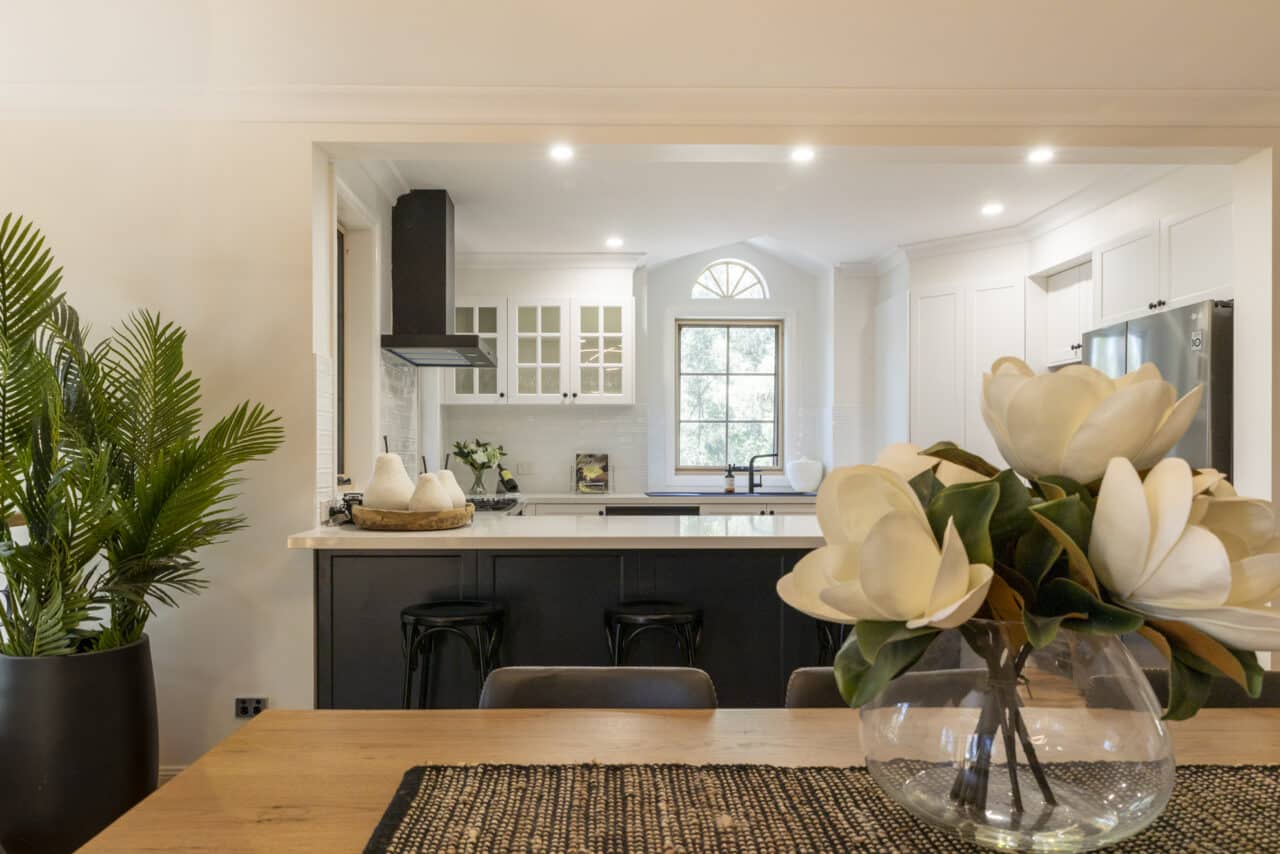
The kitchen is the heart of the home. It’s where mornings begin with the kettle on, where dinner gets pulled together after a long day and where most family conversations actually happen. So when your cabinets start looking tired, dated or just out of step with the rest of your space, the whole room can feel like a let-down.
Here’s the good news: you don’t always need a full renovation to bring your kitchen back to life. In many cases, a fresh coat of paint on your laminate cabinets is all it takes to completely transform the room.So, can you actually paint laminate cabinets? Yes, you absolutely can, and when it’s done properly, the results are genuinely impressive. The key word, however, is properly.
Why Painting Laminate Cabinets Makes Sense
A full kitchen renovation in Australia is a significant investment. According to figures from hipages, a small or cosmetic kitchen renovation typically falls between $10,000 and $22,000, with mid-range projects costing $22,000 to $45,000, as outlined in this Three Birds Renovations cost guide.
When your cabinets are structurally sound and your layout still works, ripping everything out can feel like an unnecessary expense. Painting them instead allows you to:
- Refresh the look of your kitchen for a fraction of the cost
- Choose a colour that suits your current style and home
- Avoid throwing out perfectly good cabinetry
- Skip the disruption of weeks without a functioning kitchen
It’s a budget-friendly, sustainable and surprisingly satisfying way to give your space a fresh start.
The Catch: Laminate Is Tricky to Paint
Laminate isn’t like timber or plasterboard. It’s a smooth, factory-finished surface designed to repel moisture and resist wear. That’s wonderful for daily use, but it makes paint adhesion challenging. Skip the right preparation or use the wrong products, and your beautiful new finish can start chipping, peeling or scratching off within months.
This is why preparation is the make-or-break stage of any laminate cabinet project. Both Dulux and Bunnings make it clear in their official guides that without thorough cleaning, light sanding and the correct primer, the topcoat simply will not bond to the surface.
Step-by-Step: How to Paint Laminate Kitchen Cabinets
Here’s what a quality job actually looks like, drawn from manufacturer guidance and our own decade of hands-on experience.
1. Remove and Label Everything
Take all the doors and drawer fronts off. Remove handles, hinges and any hardware. Label each piece with masking tape so it goes back in the right spot. This step alone makes the finish dramatically smoother because you can lay everything flat instead of working on awkward vertical surfaces.
2. Clean Thoroughly with Sugar Soap
Years of cooking leave behind invisible layers of grease, oil and grime, even on cabinets that look spotless. According to Bunnings’ official guide to painting laminate kitchen cabinetry, sugar soap is the cleaner of choice, and the surface should be wiped down at least twice for a spotless finish. Any contamination left behind will stop the primer bonding properly.
3. Lightly Sand the Surface
Sanding isn’t about stripping the laminate; it’s about scuffing the glossy finish so the primer has something to grip. Use P400 sandpaper for a light, even key across every surface, then wipe away the dust with a tack cloth or a damp microfibre.
4. Apply the Right Primer
This is the single most important step. Standard wall primer won’t cut it on laminate. Dulux recommends their Renovation Range Primer specifically for laminate, melamine and timber cabinet doors, noting that without it the paint will peel and flake off. You can read their full process in the Dulux Renovation Range Cabinet Doors guide.
Apply the primer evenly to both sides of the doors, allow it to dry as directed, and resist the temptation to skip a second coat where one is needed.
5. Apply the Topcoat
Use a paint engineered for cabinet doors, such as Dulux Renovation Range Cabinet Doors in satin or gloss. Thin, even coats are far superior to thick ones; plan on at least two coats, with a minimum of eight hours of drying time between each.
A 100mm microfibre roller will give you a smooth, factory-style finish. For the edges and detail, a quality angled sash brush is your friend.
6. Finish, Cure and Reassemble
Once the topcoat is dry to the touch, give it time to fully cure before reattaching hardware. Cabinet paints can take days or even weeks to reach full hardness, so be gentle in the meantime. When you do reassemble, this is also a great moment to upgrade your handles for a fresh, modern look.
When to Call in a Professional
Painting laminate cabinets is achievable as a DIY project, but it’s also one of those jobs where the difference between a good finish and a great one comes down to experience.
A professional team brings the right tools, controlled environments for spraying, quality checks at every stage and a deep understanding of how different paints behave on different substrates. The result is a finish that looks like it came from the factory, not a weekend project.
If you’d rather skip the prep, the dust and the uncertainty, our team at Blue Mountains Painting can take care of the whole process from start to finish. From colour consultations through to a full cabinet refresh, our interior painting services are backed by our professional 5-year warranty, so you can enjoy your refreshed kitchen with complete peace of mind.
Ready to Bring Your Kitchen Back to Life?
A tired old kitchen doesn’t need a full overhaul to feel new again. With the right preparation, the right products and a little patience, painted laminate cabinets can completely transform the heart of your home.
That’s the Blue Mountains Painting promise: beyond painting, beyond design, beyond expectations. If you’re ready to refresh your kitchen, get in touch with our friendly local team for a free, no-obligation quote today.