


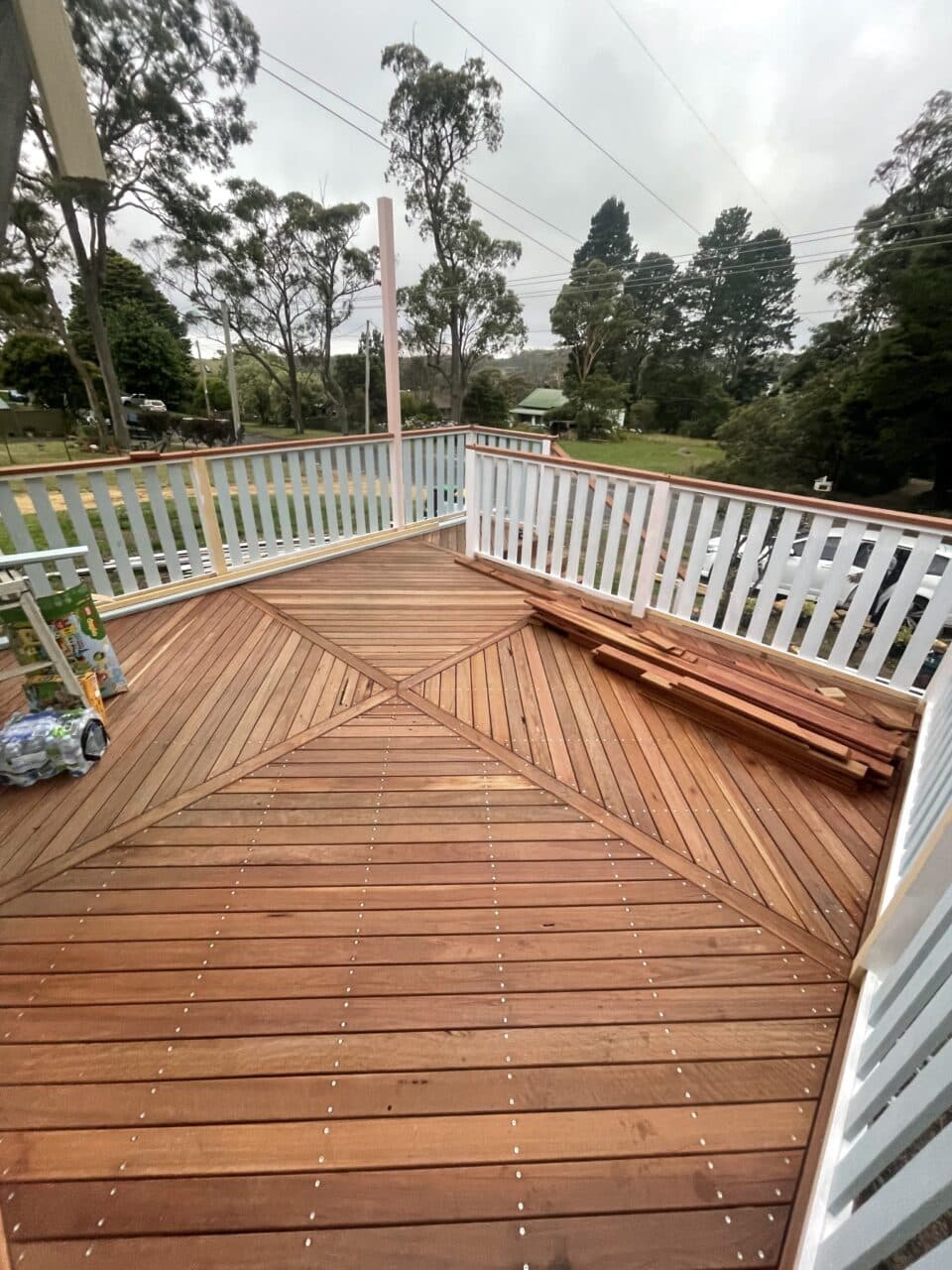
Your deck is one of the hardest-working parts of your home. It’s where you host summer barbecues, enjoy a quiet morning coffee and let the kids burn off energy on weekends. Yet despite all that use, it’s also one of the most neglected areas when it comes to routine upkeep.
In the Blue Mountains, Blacktown and Lithgow regions, outdoor timber is exposed to a particularly punishing mix of conditions: extreme UV radiation, humidity, cold winters and heavy leaf fall. Without a consistent maintenance routine, even a well-built deck can deteriorate faster than most homeowners expect.
This guide covers everything you need to know to keep your deck and outdoor areas looking sharp and structurally sound all year long.
Understanding What Your Deck Is Up Against
Before diving into what you should do, it helps to understand what your deck is dealing with every single day.
UV Radiation
Australia has some of the highest UV radiation levels in the world (Bureau of Meteorology UV Knowledge Centre: https://www.bom.gov.au/resources/learn-and-explore/uv-knowledge-centre). According to the Bureau of Meteorology, the UV Index across most of Australia reaches extreme levels in summer, regularly exceeding 12 to 14 in many regions. This relentless UV exposure does serious damage to unprotected timber, breaking down the natural polymer (lignin) that gives wood its strength and moisture resistance. The result is greying, cracking, splintering and a surface that is rough underfoot and difficult to protect.
Rain, Moisture and Seasonal Changes
The Blue Mountains region sees significant rainfall throughout the year, particularly in winter and spring. When water penetrates unsealed timber, it causes the wood fibres to swell and contract with each wet and dry cycle. Over time, this leads to warping, cupping and board movement. In shaded or low-drainage areas, trapped moisture also creates ideal conditions for mould and mildew growth.
Leaf Litter and Debris
Surrounded by bushland, many homes in our region deal with constant leaf fall. Organic matter sitting on a deck surface can become acidic as it breaks down, staining the timber and accelerating surface deterioration. Regular clearing is one of the simplest and most effective things you can do.
Salt Air and Wind
For homes in elevated or exposed positions, wind-driven particles and moisture accelerate surface wear and can corrode the metal fixings that hold your deck together. Salt air is particularly aggressive for coastal and semi-coastal properties.
Why Regular Maintenance Matters More Than You Think
Many homeowners put off deck maintenance until something is visibly wrong. By then, the cost and effort involved are significantly higher.
According to Modinex (https://www.modinex.com.au/timber-deck-maintenance/), a well-maintained timber deck can last between 40 and 50 years, while a neglected one may need replacing in fewer than 20 years. That is a significant difference in long-term value from a relatively modest annual investment of time and money.
Regular maintenance also matters for safety. The Queensland Government’s deck and balcony safety guidelines (https://www.hpw.qld.gov.au/__data/assets/pdf_file/0020/5546/deckbalconyandwindowsafetyguideline.pdf) note that a portion of Australian decks may pose injury risks if deterioration is left unaddressed, including from failing balustrades and structural timber decay. Staying on top of maintenance means you catch small issues before they become genuine hazards.
Here is a practical maintenance schedule to follow:
Weekly: Sweep away leaves, dirt and debris. Remove anything sitting on the surface that could trap moisture.
Monthly: Check for loose fixings, screws and structural movement. Look for early signs of mould or staining.
Every three to six months: Give the deck a thorough clean using a suitable timber cleaner. Avoid high-pressure washing directly on the timber surface, as this can drive dirt into the grain and cause surface damage.
Annually: Deep clean the entire deck and reapply a protective oil or sealant. South East Timber Supplies (https://setimbersupplies.com.au/blogs/guide-to-timber-deck-maintenance-restoration/) recommend oiling every six to twelve months for decks in high-exposure areas.
Every one to two years: Inspect for structural issues, including the condition of bearers, joists and balustrade fixings.
Seasonal Maintenance: What to Do and When
Adapting your maintenance routine to the seasons makes it far more effective.
Spring is the ideal time for a full inspection and deep clean after winter. Check for any timber that has softened or shifted during the cold, wet months. Apply a fresh protective treatment once temperatures are mild and the surface is completely dry.
Summer is when UV damage peaks. Apply a UV-resistant oil or sealant before the hottest months to protect the surface from drying out, fading and cracking. Move outdoor furniture periodically to ensure the deck weathers evenly, and use felt pads under legs to prevent scratching.
Autumn brings heavy leaf fall. Clear the deck regularly to prevent organic matter from sitting against the timber. This is also a good window to apply a protective coat before winter arrives, while temperatures are still warm enough for the product to cure properly.
Winter brings increased moisture and reduced evaporation. Ensure drainage away from the deck is functioning, and check that water is not pooling in low spots. Inspect metal fixings for early signs of rust.
When to Refinish Your Deck
Knowing when to refinish is just as important as knowing how. Leaving it too long between coats means the timber is left unprotected, while refinishing too frequently over a surface that is still in good condition can cause build-up and adhesion problems.
Here are the signs your deck is ready for refinishing:
The surface is starting to look grey or faded rather than rich in colour. Water no longer beads on the surface when it rains, which means the sealer has broken down. The timber feels rough or has developed minor splinters. Staining from leaves, tannins or algae is becoming difficult to remove with cleaning alone.
As a general guide, Mortlock Timber (https://www.mortlock.com.au/learning/timber-decking-maintenance-guide/) advise that recoating frequency depends on the species and conditions, but once every six months to two years is standard for most Australian timber decks. Hardwoods such as Merbau, Blackbutt and Ironbark typically need less frequent treatment than softwoods like treated pine.
When refinishing, always clean the surface thoroughly and allow it to dry completely before applying any product. Sand any rough or splintered areas before applying a new coat. Choose the right timing: warm, dry weather between 10 and 30 degrees Celsius works best, and avoid application if rain is forecast within 24 hours. Apply product in the morning or late afternoon to prevent oils from drying too quickly in direct heat.
When to Repair Rather Than Refinish
Sometimes a coat of oil is not enough. There are situations where timely repairs are essential, both for the appearance and the structural integrity of your deck.
Arrange for professional repairs when you notice:
Soft or spongy boards that flex underfoot, which indicates rot or significant moisture damage beneath the surface. Cracked or split boards that have moved beyond surface checking and could become a safety hazard. Loose or corroded fixings that compromise the structural connection between boards, joists and posts. Warped or cupped boards that have lifted significantly from their original position. Signs of termite activity, including small holes, sawdust-like material around timber posts or hollow-sounding boards when tapped.
In some cases, individual boards can be replaced without a full deck rebuild. In others, particularly where moisture has reached the substructure, a more comprehensive repair is required. Acting early is always far less costly than waiting.
The Bigger Picture: Outdoor Areas Beyond the Deck
Deck maintenance is important, but it is part of a wider responsibility to maintain all outdoor areas around your home. Pergolas, timber screens, outdoor staircases and cladding are all subject to the same weathering pressures, and many homeowners find that addressing everything at once is more efficient and cost-effective.
Pressure cleaning is an excellent complement to deck refinishing. It restores the appearance of driveways, paths, eaves, outdoor furniture and brickwork, removing the built-up grime that accumulates between seasons. Combined with carpentry repairs and a fresh coat of paint or sealant, a full outdoor refresh can dramatically improve the appearance and longevity of your entire outdoor area.
Getting Professional Help for Your Deck
There is plenty that homeowners can manage themselves, particularly regular cleaning and minor touch-ups. But for structural repairs, full refinishing projects or situations where significant deterioration has already set in, professional help is worth the investment.
At Blue Mountains Group, our carpentry and maintenance team handles everything from deck repairs and timber restoration to pressure cleaning and full outdoor refurbishments. We work across the Blue Mountains, Blacktown and Lithgow regions, and we are happy to provide a free, no-obligation quote so you know exactly where things stand before any work begins.
Contact our team today to book your free assessment and keep your outdoor areas looking their best, season after season.