


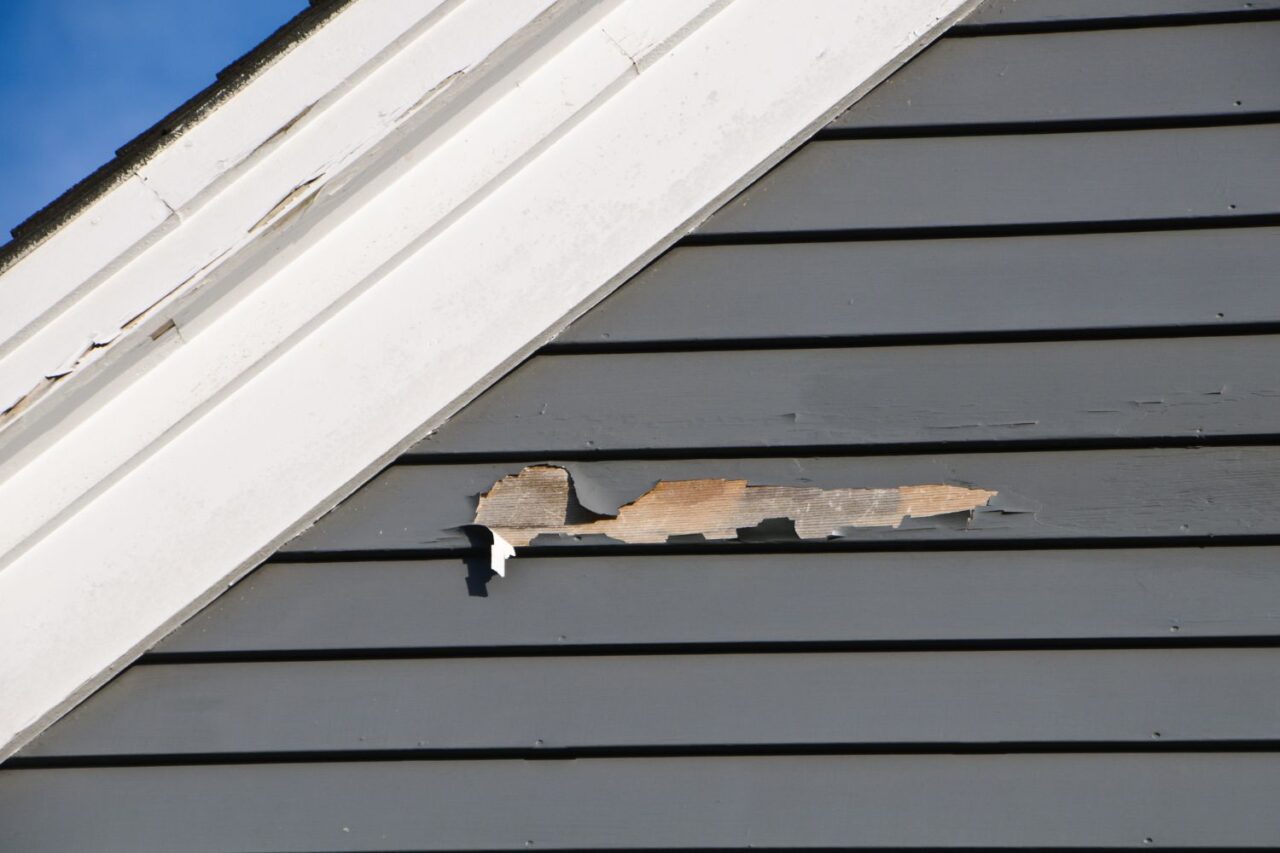
When most people think about painting their home, they picture fresh colours and a more appealing living space. While that is certainly part of it, the reality is that paint serves a far more critical function than aesthetics alone.
A quality paint job is one of your property’s primary defences against the elements. It protects your walls, timber, render and roofing from moisture infiltration, ultraviolet degradation and biological growth. When that protective layer fails, whether through age, poor application or the use of substandard materials, the consequences can extend well beyond a few unsightly patches on the wall.
Here is what every homeowner should understand about the risks of poorly painted surfaces and why investing in professional painting is one of the smartest decisions you can make for your property.
Moisture Damage: The Silent Threat Behind Your Walls
Paint acts as a sealant. When applied correctly with proper surface preparation, priming and top coats, it creates a barrier that prevents water from penetrating your home’s exterior and interior surfaces. When that barrier is compromised, moisture finds its way in.
In Australia’s climate, where homes can experience intense rain, high humidity and rapid temperature shifts, this is a particularly pressing concern. Water that seeps through cracked, peeling or thin paint can saturate timber framing, plasterboard and render. Over time, this leads to swelling, warping and, in severe cases, structural weakening that requires costly remediation.
The Australian Standard AS/NZS 2311:2017 Guide to the Painting of Buildings outlines the critical role of surface preparation and correct coating systems in protecting building substrates. When these standards are not followed, paint adhesion suffers and moisture is given a direct pathway into the structure of your home.
Timber window frames, fascia boards, eaves and weatherboards are especially vulnerable. Once moisture penetrates these elements, wood rot can set in rapidly. What begins as a minor paint failure can escalate into a significant carpentry repair if not addressed promptly.
Peeling and Premature Paint Failure
Paint does not fail without reason. Peeling, cracking, flaking and blistering are all symptoms of an underlying issue, and they rarely resolve on their own. The most common causes include inadequate surface preparation before painting, the use of low-quality paint products, application in unsuitable weather conditions and the failure to apply appropriate primer coats.
Australia’s harsh ultraviolet radiation compounds the problem. UV exposure breaks down the binders in paint, causing it to become brittle and lose adhesion. North-facing and west-facing surfaces cop the worst of this, with some coatings showing visible degradation within just a few years if the wrong product has been used.
Once paint begins to peel, the exposed surface beneath is left entirely unprotected. This accelerates the cycle of damage: moisture enters, the substrate deteriorates, more paint lifts and the repair bill grows. A small area of peeling paint on a fascia board today can become a full exterior repaint with timber replacement tomorrow.
This is precisely why professional painters follow a structured process. At Blue Mountains Painting, for example, every project begins with thorough surface preparation, including cleaning, sanding, filling cracks and applying the correct primer for the substrate. This process, combined with premium paint products, is what ensures a durable finish that genuinely protects your home.
Mould: A Health and Property Hazard
Mould thrives in damp, poorly ventilated environments, and compromised paintwork is one of the most common enablers. According to NSW Health, mould exposure can cause a runny or blocked nose, eye and skin irritation, wheezing and, in more serious cases, respiratory infections. People with asthma, allergies, weakened immune systems or chronic lung conditions are at greater risk.
The World Health Organization’s Guidelines for Indoor Air Quality: Dampness and Mould identify indoor dampness and mould as a significant contributor to poor respiratory health globally. The guidelines recommend controlling moisture at the source as the most effective prevention strategy.
In the context of your home, this means ensuring that paint coatings are intact and functioning as a moisture barrier. Bathrooms, kitchens, laundries and any rooms with limited ventilation are high-risk areas. If the paint in these spaces is peeling, bubbling or showing discolouration, it may be allowing moisture to accumulate behind the surface, creating ideal conditions for mould colonies to establish.
Simply painting over mould is never the solution. The growth must be properly treated and the underlying moisture issue resolved before any new coating is applied. Using moisture-resistant and mould-inhibiting primers and paints in wet areas is a critical step that is often overlooked in lower-quality paint jobs.
Reduced Property Value
The condition of your home’s paintwork has a direct and measurable impact on its market value. According to LocalAgentFinder, a quality paint job can add between 5 and 10 per cent to a property’s sale price. Conversely, peeling, faded or visibly deteriorated paint sends a clear signal to prospective buyers that the property has been poorly maintained.
First impressions carry significant weight in real estate. Buyers who see cracked exterior paint, stained eaves or flaking window frames will often assume that the issues extend beyond the surface. They may factor in the cost of repainting and repairs when making an offer, or they may pass on the property altogether in favour of a home that appears move-in ready.
Even if you are not planning to sell in the near future, the condition of your paintwork contributes to the overall preservation of your asset. Regular maintenance painting prevents minor issues from compounding into major, expensive problems. It is far more cost-effective to maintain a sound paint system than to allow it to fail and then deal with the consequences.
Painting Is Property Protection
The core message here is simple: painting your home is not a cosmetic luxury. It is an essential act of property protection. A professionally applied paint system shields your home from moisture, UV damage, biological growth and general wear. It preserves the structural integrity of your building materials and maintains the value of what is likely your most significant financial asset.
At Blue Mountains Group, we approach every project with this understanding. Our team of qualified, licensed painters follow a structured process that prioritises long-term protection and durability. From comprehensive surface preparation to the use of premium products and a professional 5-year warranty on our paint coating systems, we ensure that your home is genuinely protected. To learn more about our painting and home improvement services, visit our services page.
If it has been several years since your home was last painted, or if you are noticing any signs of paint failure such as peeling, cracking, discolouration or mould growth, it is worth having a professional assessment sooner rather than later. Addressing the issue early can save you significant time, money and stress down the track.
Ready to Protect Your Property?
If you are looking for a trusted partner to deliver premium painting services and comprehensive home improvement solutions, speak to our team at Blue Mountains Painting today to receive your free, no-obligation quote. We service the Blue Mountains, Blacktown and Lithgow regions.